The investment landscape is constantly evolving, with unconventional opportunities emerging alongside traditional stocks and bonds. Recent market trends have highlighted unusual investment vehicles that range from agricultural commodities like durian to innovative materials addressing environmental challenges. Understanding these alternative investments can help you make informed decisions about portfolio diversification.
The Durian Market Phenomenon
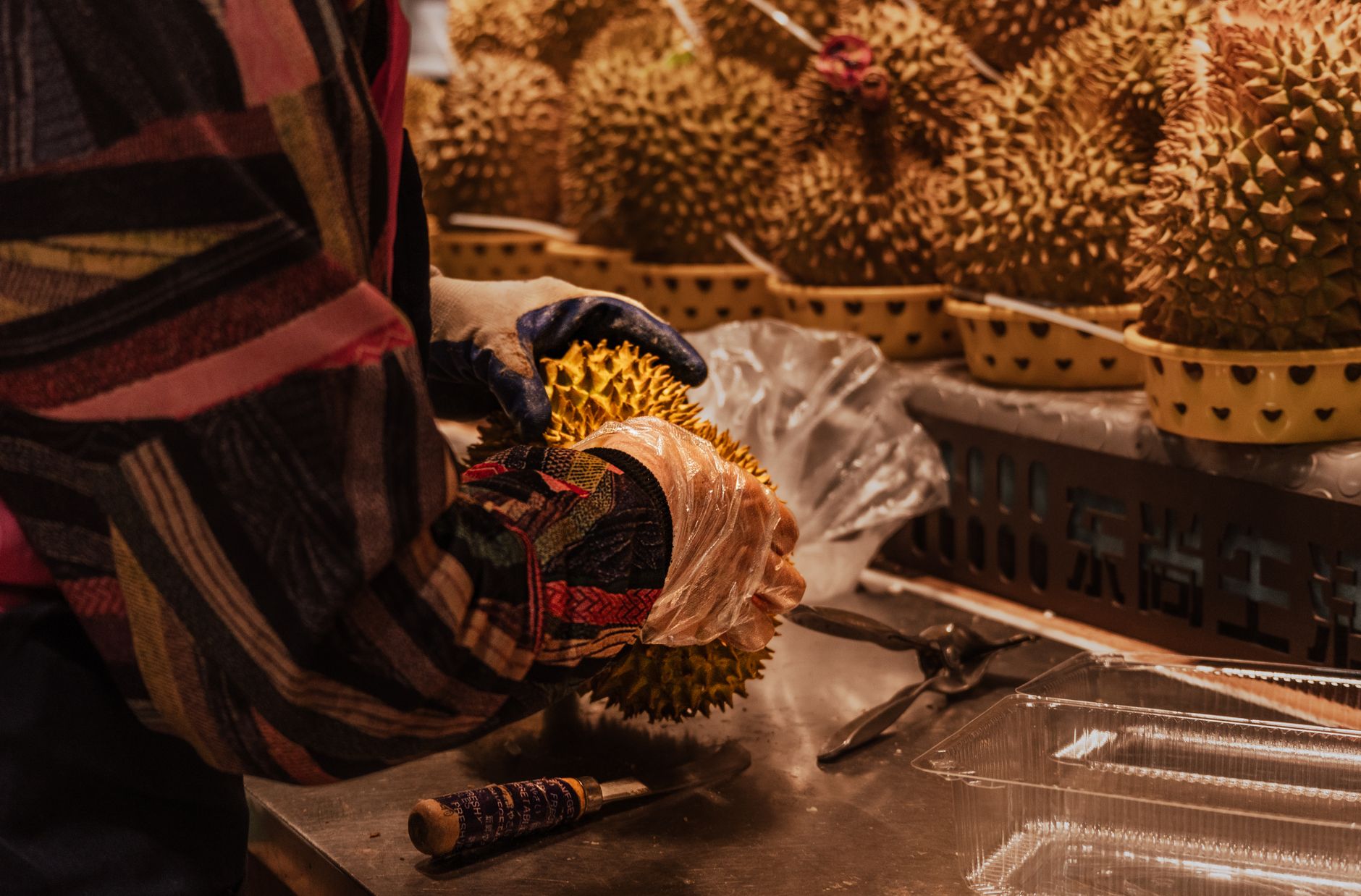
Durian, often called the "king of fruits" in Southeast Asia, has become an unexpected investment opportunity. The term "durian tsunami" refers to the surge in durian cultivation, trade, and investment interest, particularly driven by growing Chinese demand. China has become the world's largest importer of durian, with consumption growing exponentially over the past decade.
Investors are exploring durian plantations as agricultural investments, particularly in Thailand, Malaysia, and Vietnam. The fruit's premium pricing—quality durians can sell for hundreds of dollars per piece—combined with increasing demand creates attractive profit margins. However, durian farming requires specific climatic conditions, takes several years before trees bear fruit, and involves significant upfront capital.
The investment case extends beyond farming. The entire durian supply chain presents opportunities, from cold storage facilities and logistics companies to processing plants that create durian-based products. As middle-class populations grow across Asia, demand for premium agricultural products continues rising.
Understanding Plas-Stick and Sustainable Material Investments
The term "Plas-Stick" likely refers to innovations in sustainable materials that address plastic pollution. This represents a broader category of environmental, social, and governance (ESG) focused investments gaining momentum globally.
Companies developing biodegradable plastics, plastic alternatives, and recycling technologies are attracting significant investor interest. The global push toward reducing single-use plastics has created market opportunities for firms producing materials from agricultural waste, seaweed, mushrooms, and other renewable sources.
Investment vehicles in this space include:
- Direct equity in sustainable materials startups and established companies
- ESG-focused mutual funds and exchange-traded funds
- Green bonds financing environmental projects
- Venture capital funds targeting climate technology
The sustainable materials sector combines profit potential with environmental impact, appealing to investors seeking both financial returns and positive social outcomes. However, many companies in this space are early-stage ventures, carrying higher risk than established businesses.
Alternative Investments in Your Portfolio
Alternative investments—assets beyond traditional stocks, bonds, and cash—serve several purposes in portfolio construction. They can provide diversification, hedge against inflation, and access growth in emerging sectors.
Agricultural commodities like durian offer tangible assets whose value isn't directly correlated with stock market movements. When equities decline, commodity prices may remain stable or increase, providing portfolio balance. Additionally, agricultural investments can hedge against inflation, as food prices typically rise with general price levels.
Sustainable technology investments position portfolios for long-term structural changes in the global economy. As governments implement stricter environmental regulations and consumers demand sustainable products, companies offering solutions should benefit from supportive tailwinds.
Risk Considerations
While alternative investments offer diversification benefits, they carry unique risks. Agricultural investments face weather uncertainty, disease, market volatility, and lengthy investment horizons. Durian farming specifically requires specialized knowledge and faces potential oversupply if too many farmers respond to current high prices.
Sustainable technology investments often involve unproven business models, technological uncertainty, and regulatory risks. Many sustainable materials companies aren't yet profitable, relying on continued funding while developing products and markets.
Liquidity is another consideration. Unlike publicly traded stocks, investments in plantations or private companies cannot be quickly sold. Investors must ensure they can commit capital for extended periods.
Getting Started with Alternative Investments
Before entering alternative investments, assess your risk tolerance, investment timeline, and portfolio objectives. These investments typically suit those who:
- Have already established a foundation of traditional investments
- Can commit capital for five to ten years or longer
- Understand the specific sectors they're entering
- Can afford potential losses without affecting financial security
Research thoroughly, considering factors like management expertise, market fundamentals, regulatory environment, and exit strategies. For indirect exposure, consider mutual funds or ETFs focused on agricultural commodities or sustainable technologies, which offer professional management and easier liquidity.
This article provides general information only and should not be considered financial advice. Consult with a qualified financial advisor to assess whether alternative investments suit your individual circumstances, risk tolerance, and financial goals before making investment decisions.